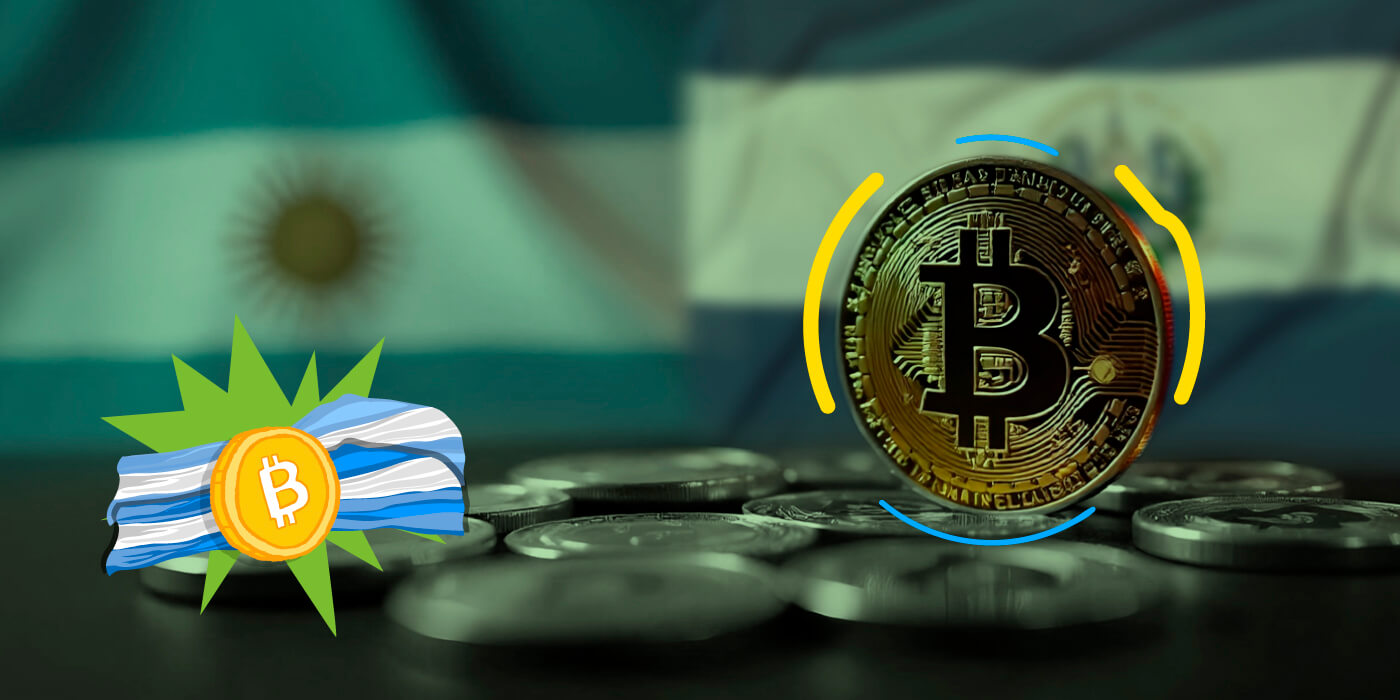

In October 2024, The nations of Argentina and El Salvador’s Second-in-Command, Victoria Villarruel, expressed significant curiosity in the Bitcoin-based economic model implemented by El Salvador under the guidance of Nayib Bukele. During a discussion with Bukele in Buenos Aires, Villarruel asked for advice on the use of Bitcoin and the so-called Volcanic Bonds, a vital fiscal resource for El Salvador’s economy.
Argentina’s Perspective on Bitcoin

At present, Argentina’s financial situation is facing severe inflationary and financial obligation challenges. In this context, many politicians have begun exploring new financial options. After her meeting with Bukele, Villarruel emphasized that Argentina is considering adopting elements of El Salvador’s cryptocurrency-based framework. During the meeting, the Vice President highlighted that one of the key points was Bitcoin and its use as an official currency, as well as its capacity to bring balance to developing markets.
Argentina has already demonstrated interest in the cryptocurrency space. In May 2024, representatives from Argentina’s Securities Authority participated in discussions with the National Commission for Digital Assets (CNAD) of El Salvador to examine policies and Bitcoin integration methods. This is a strong sign that the South American nation is seriously considering this technology as part of its economic strategy.
Argentina explores Bitcoin and Volcanic Bonds with support from El Salvador. Could this be the key to revitalizing its economy? Read more about this initiative here. #Bitcoin #VolcanicBonds #CryptoEconomy Share on XVolcanic Bonds: A Future-Oriented Financial Solution
Another topic of debate during the meeting between Villarruel and Bukele was the initiative of Volcanic Bonds. This investment vehicle, created by El Salvador, is linked to renewable energy utilized from volcanic activity and dedicated to Bitcoin mining. Volcanic Bonds have captured global attention by merging cryptocurrency investment with a green energy focus.
Villarruel showed a strong interest in copying a similar model in Argentina. Bonds Volcán offer an attractive solution to fund strategic projects, especially in countries with abundant renewable energy. With Argentina’s vast natural resources, adopting a similar bond model could have a major effect on its economy, providing a path for international capital and a tool to reduce reliance on traditional financing.
Conclusion
The discussion between Villarruel and Bukele reflects Argentina’s growing interest in the crypto market and alternative financial solutions. Faced with economic struggles, Argentina may find Bitcoin and Volcanic Bonds a way to reshape its financial system. El Salvador’s success in implementing these innovative tools could serve as a reference point. It remains to be seen whether Argentina will pursue this model and adapt it according to its specific needs and challenges.